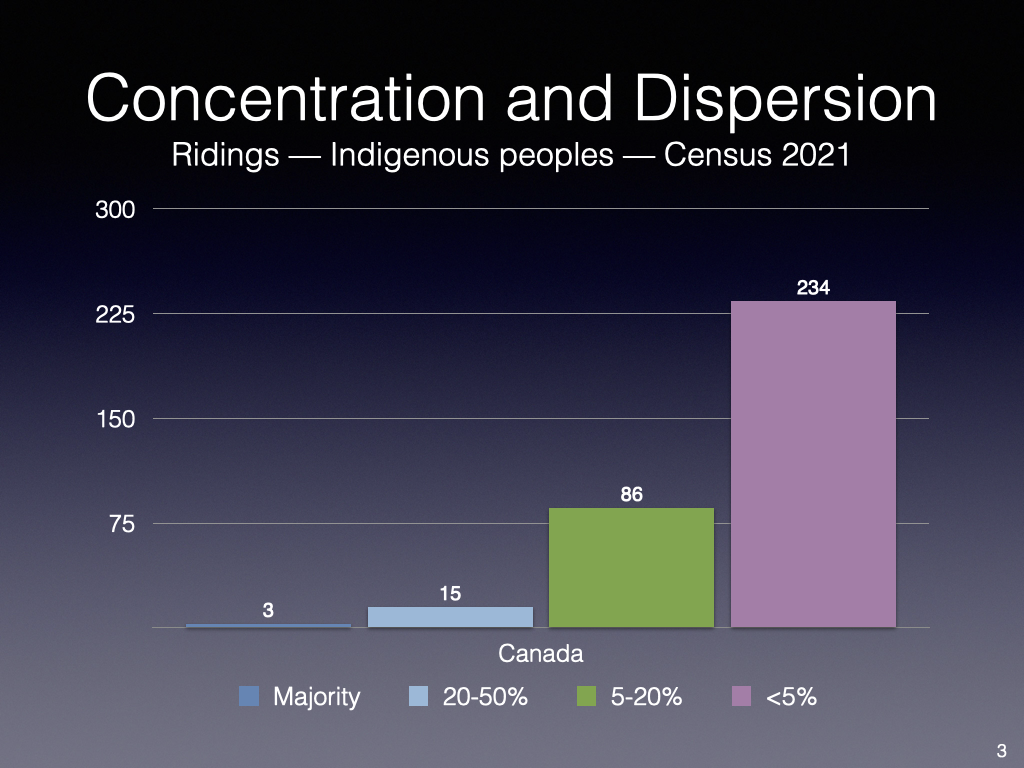
Good reminder for anti-monarchists, particularly in Quebec, not so simple given the importance of the Crown for Indigenous peoples:
Bon, le roi est reparti. Discutons, si vous le permettez, de la Couronne à tête reposée.
Puisque le désamour envers la monarchie, principalement au Québec, s’articule autour du rejet du colonialisme, ne devrait-on pas s’intéresser à la manière dont les leaders autochtones ont accueilli la visite royale de leur côté ?
Cindy Woodhouse Nepinak, cheffe nationale de l’Assemblée des Premières Nations (APN), Victoria Pruden, présidente du Ralliement national des Métis (RNM) et Natan Obed, président du Inuit Tapiriit Kanatami (ITK) étaient tous trois sur le tarmac pour accueillir le roi Charles III. Ils ont tous trois obtenu une audience privée avec le monarque à Rideau Hall, après ses entretiens avec la gouverneure générale, Mary Simon, et le premier ministre, Mark Carney.
À la CBC lundi, Natan Obed rappelait sa première conversation avec le roi, survenue en 2022, au sujet des droits du peuple inuit, de l’Arctique et des changements climatiques. Il en parle comme une « opportunité remarquable ». « La relation avec le roi et la Couronne n’est pas seulement pratique, vu notre relation avec les traités et le Canada comme État-nation, mais aussi ambitieuse ». Un exemple ? « Le rapatriement. Dans les musées du Royaume-Uni, il y a toujours des restes humains inuits et d’autres items que nous voudrions voir rapatrier. » Obed en avait discuté avec le roi lors de sa dernière audience privée.
De son côté, le RNM indique que l’audience privée a servi à « rappeler l’importance des partenariats pour préserver l’honneur de la Couronne et remplir les promesses solennelles faites à la Couronne à la nation métisse ». Et l’APN ? « J’ai transmis le message qu’en tant que roi du Canada, sa Majesté a la responsabilité de respecter les traités qui protègent nos droits. Nous avons parlé de l’importance d’honorer les engagements qui perdurent depuis des générations », nous dit Woodhouse Nepinak.
On est très loin du boycottage du Bloc québécois. On traite la visite royale comme une occasion stratégique de faire avancer des revendications de longue date. Pourquoi ?
Parce que la Couronne britannique a commencé à conclure des traités avec les Premiers Peuples en 1701. La Proclamation royale de 1763 n’a pas que scellé le sort de l’ancienne Nouvelle-France. Elle a établi de vastes « territoires indiens » dans la vallée du Mississippi, à l’ouest des Appalaches et vers les Grands Lacs dans lesquels les Autochtones ne devraient pas être « inquiétés ou troublés ». La révolution américaine a été alimentée par le refus de la Couronne britannique de laisser les prospecteurs des 13 colonies s’avancer dans l’Ouest.
Puisque la Couronne est restée l’entité juridique du côté canadien de la frontière, la Proclamation a servi de modèle de base pour les traités signés par la suite, particulièrement après le rachat de la Terre de Rupert et l’expansion canadienne dans l’Ouest.
Par exemple, plusieurs des « traités numérotés » signés à la fin du XIXe siècle dans les Prairies incluaient un engagement de la Couronne à fournir aux Premières Nations un « coffre de médecine ». C’est l’une des bases légales sur laquelle on s’appuie aujourd’hui pour faire respecter les responsabilités du gouvernement fédéral à fournir les soins de santé aux Premières Nations.
Le problème, c’est que plusieurs de ces traités ont été signés sous pression de famine ou de menace militaire, que la Couronne a failli à d’innombrables reprises à respecter ses engagements et qu’Ottawa dépense des sommes faramineuses en frais d’avocat pour ralentir la reconnaissance des droits autochtones. Sauf que c’est la continuité juridique de la Couronne britannique, puis canadienne, qui sert de prise légale pour faire avancer de nombreuses revendications territoriales, politiques ou économiques des Premiers Peuples.
Par contraste, la France a traversé cinq républiques, deux empires, deux restaurations monarchiques et le régime de Vichy au cours de la même période : ces régimes se sont souvent contredits et dédits. Au Canada, une entente conclue au XVIIIe ou au XIXe au siècle continue d’être liante.
Dans le Globe and Mail, l’ex-chef de l’APN Perry Bellegarde reconnaissait d’emblée que la Couronne « représente une histoire de profonde douleur et injure pour les peuples autochtones au Canada et à travers le monde ». Sa lettre cherchait à expliquer que, vu le poids moral et légal des traités, « la Couronne, représentée par Charles III, restait le symbole et la garantie de notre relation originelle ».
Serait-il possible d’abolir la monarchie au Canada — symbole colonial s’il en est un — sans fragiliser légalement ces traités et les droits autochtones, ni faire avancer le colonialisme ? J’ai posé la question à Alexis Wawanoloath, un avocat en droit autochtone d’origine abénaquise et ex-député du Parti québécois, qui se définit comme « pas un royaliste ».
La réponse courte : « Ça dépend. » La réponse longue : on pourrait imaginer un changement de régime où les Premiers Peuples ne seraient plus des « sujets » (au sens très colonial du terme) de compétence fédérale, mais des acteurs fédéraux à part entière, comme le sont le Canada et les provinces. Ce serait très complexe à élaborer. Mais aussi porteur.
En attendant, Wawanoloath comprend très bien la « stratégie » des leaders autochtones qui utilisent une visite royale comme occasion de « faire respecter les traités » et de « faire de l’éducation, au gouvernement comme à sa Majesté », tout en souhaitant « qu’on se sorte un jour de ça, dans le cadre d’une nouvelle entente ».
Rappelons qu’en 1969, le jeune Jean Chrétien avait présenté un livre blanc pour naïvement abolir la Loi sur les Indiens, d’une manière qui aurait forcé l’assimilation politique des Premières Nations. La mobilisation pour le faire reculer a été historique. Si l’on cherchait à abolir la monarchie sans réfléchir ou sans même connaître vraiment les traités historiques et modernes et l’importance juridique de l’honneur de la Couronne, il y aurait aussi matière à se planter… royalement.
Source: La Couronne et la décolonisation
Well, the king is gone. Let’s discuss, if you allow, the Crown with a rested head.
Since the disaffection with the monarchy, mainly in Quebec, revolves around the rejection of colonialism, shouldn’t we be interested in how Aboriginal leaders welcomed the royal visit on their side?
Cindy Woodhouse Nepinak, National leader of the Assembly of First Nations (APN), Victoria Pruden, president of the National Rally of Métis (RNM) and Natan Obed, president of the Inuit Tapiriit Kanatami (ITK) were all three on the tarmac to welcome King Charles III. All three got a private hearing with the monarch at Rideau Hall, after his talks with Governor General Mary Simon and Prime Minister Mark Carney.
At the CBC on Monday, Natan Obed recalled his first conversation with the king, which took place in 2022, about the rights of the Inuit people, the Arctic and climate change. He speaks of it as a “remarkable opportunity”. “The relationship with the King and the Crown is not only practical, given our relationship with the treaties and Canada as a nation-state, but also ambitious.” An example? “Repatriation. In the museums of the United Kingdom, there are always Inuit human remains and other items that we would like to see repatriated. Obed had discussed it with the king during his last private hearing.
For its part, the RNM indicates that the private hearing served to “recall the importance of partnerships to preserve the honor of the Crown and fulfill the solemn promises made to the Crown to the Métis nation”. And the APN? “I have conveyed the message that as King of Canada, Her Majesty has the responsibility to respect the treaties that protect our rights. We talked about the importance of honoring commitments that have lasted for generations, “says Woodhouse Nepinak.
We are very far from the boycott of the Bloc Québécois. The royal visit is treated as a strategic opportunity to advance long-standing demands. Why?
Because the British Crown began to conclude treaties with the First Peoples in 1701. The Royal Proclamation of 1763 not only sealed the fate of the former New France. It established vast “Indian territories” in the Mississippi Valley, west of the Appalachians and towards the Great Lakes in which the Natives should not be “disturbed or troubled”. The American Revolution was fueled by the British Crown’s refusal to let the prospectors of the 13 colonies advance in the West.
Since the Crown remained the legal entity on the Canadian side of the border, the Proclamation served as the basic model for the treaties signed thereafter, especially after the purchase of Rupert’s Land and the Canadian expansion in the West.
For example, several of the “numbered treaties” signed in the late 19th century in the Prairies included a commitment by the Crown to provide First Nations with a “medicine safe”. This is one of the legal bases on which we rely today to enforce the federal government’s responsibilities to provide health care to First Nations.
The problem is that many of these treaties have been signed under pressure from famine or military threat, that the Crown has failed to meet its commitments on countless occasions, and Ottawa is spending huge sums on attorney’s fees to slow down the recognition of Aboriginal rights. Except that it is the legal continuity of the British and then Canadian Crown, which serves as a legal hold to advance many territorial, political or economic claims of the First Peoples.
In contrast, France went through five republics, two empires, two monarchical restorations and the Vichy regime during the same period: these regimes often contradicted and dedicted. In Canada, an agreement concluded in the 18th or 19th century continues to be a binding.
In the Globe and Mail, former PNA leader Perry Bellegarde acknowledged at the outset that the Crown “represents a history of deep pain and insult to Aboriginal peoples in Canada and around the world.” His letter sought to explain that, given the moral and legal weight of the treaties, “the Crown, represented by Charles III, remained the symbol and guarantee of our original relationship”.
Would it be possible to abolish the monarchy in Canada – a colonial symbol if it is one – without legally weakening these treaties and indigenous rights, or advancing colonialism? I asked the question to Alexis Wawanoloath, an Aboriginal lawyer of Abenaquise origin and former deputy of the Parti Québécois, who defines himself as “not a royalist”.
The short answer: “It depends. The long answer: we could imagine a change of regime where the First Peoples would no longer be “subjects” (in the very colonial sense of the term) of federal jurisdiction, but federal actors in their own right, as are Canada and the provinces. It would be very complex to develop. But also a carrier.
In the meantime, Wawanoloath understands very well the “strategy” of Aboriginal leaders who use a royal visit as an opportunity to “enforce the treaties” and “educate, to the government and her Majesty”, while hoping “to get out of this one day, as part of a new agreement”.
Recall that in 1969, the young Jean Chrétien had presented a white paper to naively abolish the Indian Act, in a way that would have forced the political assimilation of First Nations. The mobilization to push him back has been historic. If we sought to abolish the monarchy without thinking or without even really knowing the historical and modern treaties and the legal importance of the honor of the Crown, there would also be material to be planted… royally.