Too soon to say if StatsCan will bring in more racialized researchers, says official; ‘we’re just building those relationships’

To watch and see whether the model used for Indigenous peoples is needed or applicable to some or all visible minority groups:

Canada’s statistics agency is working with an expert advisory committee to better collect race-based data, but it is too early to say whether it will hire more racialized on-the-ground statisticians and researchers to help, says one official.

Marc Lachance, acting director of health, justice, diversity, and populations with Statistics Canada, acknowledged in an interview last week that while the country has made some strides in collecting Indigenous data, figures for some ethno-cultural groups are lagging.

“We have put in place a committee of experts that could specifically provide us guidance on—you know, we never really did a lot of work on the Black populations before, how do we do this?” said Mr. Lachance in a phone interview July 9.

In July 2019, the agency established the Centre for Indigenous Statistics and Partnerships, which consolidated “long-standing working relationships” with communities and organizations across the country into one centre. All research at the agency involving Indigenous people is “channeled through” this centre, which helps “provide relevant expertise and co-ordinate outreach to partners,” a July 6 statement from the agency read.

Included in the centre are 11 Indigenous liaison advisors, some of whom, according to Mr. Lachance, might work on reserves, and most of whom identify as Indigenous. The agency did not provide an exact breakdown, nor a dollar figure of cost, for these positions. The program began in the 1980s and positions are currently funded through the centre, said StatsCan spokesperson Peter Frayne in a July 10 email. The officers’ salaries and non-salary needs like travel are covered. “Funding  may vary from year to year based on the level of activities and engagement, but typically peaks during the conduct of the census,” Mr. Frayne added.

They are stationed across the country and look after a particular region, said Mr. Lachance. A StatsCan webpage lists advisors as covering Atlantic provinces, Manitoba, Inuit Nunangat, and others. “That program is probably one of our most established programs to engage communities such as the Indigenous [one] on Indigenous data,” he said.

“Their role is very key, specifically in ensuring there is trust with the data and a good rapport and relationship with StatsCan.” When the agency starts work for its census, for example, these officers act as ambassadors who promote it and in some cases seek permission to be able to go into communities, or at least notify Indigenous leadership about the agency’s intentions.

Mr. Lachance said it is too soon to say whether the agency will bring in Black community researchers to help it gather better race-based data.

“We’re working with experts right now. The plan is in the fall, we do more consultations with racialized communities, specifically to get their input on new approaches on how we can disseminate information” to those communities, he said.

Statistics Canada received $4.2-million over three years through the government’s anti-racism strategy last year. A portion of that funding was to allow the agency to set up an advisory committee on ethno-cultural and immigration statistics. That advisory committee will guide the body in setting up a “conceptual framework on ethnocultural diversity and inclusion as well as families of indicators to be able to track relevant ‘inclusion’ indicators over time,” according to a July 6 statement from the agency, which also said the committee had been formed and already met once, with another meeting slated for last week.

Mr. Lachance said it’s possible that the agency will create other “ambassador”-like roles for other racial groups, but he said “we haven’t made that decision yet, we’re just building those relationships.”

His comments come in the wake of an influx of public calls for better race-based data collection. The COVID-19 pandemic has harmed Black people in the United States at a greater rate than it has white people. Canada has not tracked pandemic outcomes by race or ethnic background.

To better understand the pandemic’s disproportionate impact on some communities, the agency has already made a push to collect more disaggregated data. It has been releasing a series of voluntary questionnaires, which change about every two weeks, and tap into a range of topics like parenting during the pandemic and the impact faced by those living with disabilities.

“How we continue this relationship depends on what the community needs and how we want to work closer with them,” said Mr. Lachance.

“We are accountable to Canadians about the data. The data is about what individuals are telling us about themselves, and they’re taking the time to answer the questionnaire and surveys.”

Some experts who spoke to The Hill Times this month noted that authorities and government institutions might face an uphill battle as they go about collecting race-based data, thanks in part to “longstanding disparities” in areas like housing, healthcare, and food insecurity in these communities.

Anna Banerji, a director of global and Indigenous health at the University of Toronto’s faculty of medicine, noted in an earlier interview that “there’s a lot of information that’s out there that’s partially used or distorted in the usage, and there’s no underlying [questioning of] what are the contributors to this.” She noted that in some cases, data has been used to justify racism and discrimination, a fact that Public Safety Minister Bill Blair (Scarborough Southwest, Ont.) also acknowledged this month.

Mr. Lachance said Statistics Canada’s researchers are well aware of this history.

“When we come to the analysis [stage], we need to ensure that the analysis that we do and analytical products [we put out] are sensitive to the perspectives of the communities,” he said, adding StatsCan consults national Indigenous organizations in creating or testing the Aboriginal Peoples Survey, which gathers figures to track the “social and economic conditions” of those living off reserve. Groups consulted include the Assembly of First Nations, Inuit Tapiriit Kanatami, and the Metis National Council, he said.

The agency said that in 2017, Indigenous people were hired as interviewers and guides during the collection period, and organizations promoted and reviewed the analytical findings of the Aboriginal Peoples Survey.

“This ensures that findings are presented in an appropriate manner and ultimately results in stories that are balanced and include essential contextual information,” said a statement from the agency, which also noted that those interviewers and guides help to improve the reliance and quality of the analysis.

A lack of consultation has created barriers for Indigenous communities in the past, according to a January 2019 report prepared for Indigenous Services Canada and the AFN. In 2006, for example, the AFN withdrew its support for the Aboriginal Peoples Survey over concerns that it infringed on their right to control and govern that information.

In 2019, Statistics Canada shared data on suicide among Indigenous populations, a sensitive topic, as part of an effort to engage communities about the data it is collecting, said Mr. Lachance.

“Usually, we can go ahead and just print the suicide rates, but without the proper context and proper process…that report can also have some unintended consequences, because it does provide sometimes a negative picture,” he said.

That report, shared in June 2019, comes with an introduction that references intergenerational trauma and the effects of colonization and ongoing marginalization, specifically “the loss of land, traditional subsistence activities and control over living conditions” and a “suppression of belief systems.”

“We always feel that we’re accountable to our respondents, so the trust comes in different levels,” said Mr. Lachance. “It comes from the fact that the data that people provide us is confidential … and [in the assurance] of the quality and statistical rigour that we are bringing to the data,” he said.

Jeff Latimer, director general and strategic adviser for health data with Statistics Canada, told  the House Health Committee last week that a lack of standards between provinces and territories, for instance, makes it difficult to get other data like figures around deaths in the country. Part of that is because some jurisdictions still rely on paper-based processes for death registrations, making it difficult for the agency to paint a complete national picture, as it relies on these authorities to filter up data to the federal government through the Public Health Agency of Canada.
Source: Too soon to say if StatsCan will bring in more racialized researchers, says official; ‘we’re just building those relationships’

Trans woman required to identify as ‘male’ by Immigration Canada: ‘It was agony’

As a refugee claimant only, based on their foreign passport. If their claim is accepted, Canadian documents allow for gender identity.

Given the apparent inconsistencies between the IRB and IRCC regarding the policy and its implementation, expect this will change but given the large numbers of temporary residents (students, workers) this would apply to, implementation may be more complex than it would appear:

The last thing Naomi Chen’s wife said to her before she fled Hong Kong was “don’t cry too much — Canada is the place where you can live as who you are.”

But this, it turns out, was untrue for Chen, a trans woman who says she was persecuted in Hong Kong because of her gender.

After arriving in Toronto Chen made a refugee claim and was then told by Canadian immigration officials she must be identified as “male” on her refugee protection claimant document, her only valid piece of identification in Canada.

Global News has agreed to use a pseudonym for Chen because of fears she could be persecuted if sent back to Hong Kong.

“I was stunned. I was crying. I was distressed,” Chen said. “This is not something I expected.”

According to government policy, all information on an asylum seeker’s immigration documents “must reflect what is indicated on their foreign passport.”

This is true even in cases such as Chen’s, where a person receives hormone therapy, has undergone sex reassignment surgery, and where their lived gender no longer conforms with the sex they were assigned at birth.

It’s also true for all temporary resident documents issued by the government, including work and study permits.

“It’s discrimination,” Chen said.

Since coming to Canada, Chen has felt isolated and dreads leaving her apartment because she might be asked to show her ID that says she’s a man, essentially outing her as a trans woman.

She also said being misgendered by the Canadian government makes her feel less valued than other people.

“I’m so afraid to live as a woman here,” she said.

Right to self-identify

The Canadian Human Rights Act prohibits discrimination based on: sex, race, national or ethnic origin, sexual orientation and gender identity.

The Ontario Human Rights Code also prohibits discrimination on the basis of sex or gender identity.

“A person’s self-defined gender identity is one of the most basic aspects of self-determination, dignity and freedom,” reads an Ontario Human Rights Commission policy on preventing discrimination based on gender identity and expression.

“For legal and social purposes, a person whose gender identity is different from their birth-assigned sex should be treated according to their lived gender.”

The federal government allows citizens, permanent residents and refugees whose claims are accepted, meaning they’re allowed to stay in Canada permanently, to change their sex or “gender identifier” on official travel documents, such as a passport or permanent resident card, by completing a one-page form.

Yet for refugee claimants whose cases have not yet been decided — even those whose claims are based solely on alleged persecution due to their status as an intersex or LGBTQ2 person — the only way they can change their documents to reflect their lived gender is if they first change the information on their foreign passport, according to Immigration, Refugees and Citizenship Canada’s policy.

But this is impossible in Chen’s case because she fled Hong Kong due to the persecution she experienced there, including the alleged theft of her business by family members after she came out as a trans woman.

Chen married a woman in Hong Kong before she transitioned. And because same-sex marriage is illegal in Hong Kong, even if she were able to change her original passport, which she can’t, she fears this would invalidate her marriage.

“It’s simply unconscionable that the Canadian government would knowingly contribute to a process that discriminates against individuals based on their gender identity and gender expression,” said Chen’s lawyer, Ashley Fisch.

Fisch also believes the government’s policy violates Canada’s Charter of Rights and Freedoms by failing to provide “equal treatment under the law” for trans and gender diverse refugee claimants and by perpetuating the types of hardships they’re forced to endure in other countries.

“I just feel sorry for the poor woman,” said Amanda Ryan, outreach committee chair for Gender Mosaic, an Ottawa-based trans support organization.

Ryan believes recent changes to federal human rights law could be a basis for extending the right to self-identify to refugee claimants and temporary residents. She said education — both in and outside government — is key to expanding protections for the trans community.

“When you start talking to people and they start learning about trans issues, there’s an awful lot of sympathy and understanding for us,” Ryan said.

“People that don’t have to deal with a trans person simply don’t have that information. That’s ignorance in the true sense of the word.”

Trans and intersex refugees at greater risk

After arriving in Canada and undergoing initial screening to determine if they are eligible to make an asylum claim, would-be refugees are given their refugee ID, which must conform with their foreign passport.

Claimants must then submit their formal claim to the Immigration and Refugee Board of Canada (IRB).

The required paperwork asks claimants what sex appears on their foreign passport. However, contrary to Immigration Canada’s policy, claimants are told they can self-identify on IRB documents if their passport does not conform with their lived gender.

IRB adjudicators are instructed to refer to claimants by their preferred pronouns, including in written decisions, even if this does not match their foreign passport. The Board’s guidelines also acknowledge that not recognizing a person’s lived gender can lead to serious consequences.

“Trans and intersex individuals may be particularly vulnerable to systemic discrimination and acts of violence due to their non-conformity with socially accepted norms,” the guidelines say.

Dr. June Lam, a psychiatrist at the adult gender identity clinic at Toronto’s Centre of Addiction and Mental Health, said misgendering trans and gender diverse people can contribute to negative mental health outcomes, including increased suicidal thoughts and actions.

“It’s like we’re recreating the systemic oppression that they’re trying to escape by coming to Canada,” Lam said.

“These barriers really reinforce that even our society views their life, their identity as less valuable.”

While Lam believes Canada is generally a much safer place for LGBTQ2 people than many other countries around the world, he said being forced to use an ID that outs someone as having a different birth-assigned sex than their lived gender puts them at greater risk of physical and psychological harm.

He also cites research that found having a government-issued ID that reflects a person’s lived gender significantly reduces the likelihood of suicidal thoughts and actions among trans and gender diverse people.

“It’s almost like transgender folks have to proove themselves over and over again before our government and our society believes they are who they are,” he said.

Policy sometimes ignored

When Chen was first issued her refugee ID she was told in person by the Canada Border Services Agency that it must conform with her Hong Kong passport, in accordance with government policy.

Chen’s lawyer then sent a letter to the government requesting the ID be reissued with her correct gender, but the request was denied.

“We regret to inform you that refugee claimants are not able to request a change in gender,” a manager from Immigration Canada wrote.

But nearly identical requests have been accepted in the past, said Adrienne Smith, a Toronto immigration lawyer who specializes in LGBTQ2 refugee claims.

Smith knows this because the letter Chen’s lawyer sent the government was based on a template she wrote several years ago. Smith said she’s used this letter on multiple occasions to persuade immigration officials to issue documents in a claimant’s lived gender.

“It just doesn’t make any sense,” Smith said. “A trans refugee claimant shouldn’t need to have a lawyer that understands trans-specific issues in order to get access to a basic right.”

Global News asked the government to explain why refugee claimants’ documents must reflect the information on their foreign passports and whether this policy systemically discriminates against trans and non-binary asylum seekers. The government did not answer either of these questions.

The government also did not say whether it believes that insisting that non- Canadian citizens and temporary residents be issued documents that don’t align with their lived gender violates the Charter of Rights and Freedoms.

“Everyone should be free to lead happy and authentic lives in Canada, regardless of how they identify, or who they love,” said Kevin Lemkay, a spokesperson for Immigration Minister Marco Mendicino.

Lemkay said the minister has made reviewing gender identity requirements for government-issued documents a priority. This includes the refugee protection claimant document.

The government has also passed legislation, including changes to the Canadian Human Rights Act, that make it illegal to discriminate based on gender identity and expression, while introducing the “X” gender marker on passports and permanent resident cards.

“We remain steadfast in our dedication to inclusion and equality,” Lemkay said.

Despite being misgendered by the government, Chen is determined to remain in Canada. She believes Canada is a place where she can live a life free from the type of persecution she experienced in Hong Kong.

She also hopes that one day she’ll be reunited with her wife — who was denied an entry visa to Canada because of questions about the purpose of her visit, and who does not have a Hong Kong passport, which would exempt her from visa requirements — and that they’ll be able to live together in a same-sex marriage.

“I came to Canada for the freedom of my soul,” Chen said.

Source: Trans woman required to identify as ‘male’ by Immigration Canada: ‘It was agony’

Ottawa didn’t enforce rules for employers of migrant farm workers during pandemic

Appears to be a significant program implementation fail, particularly with respect to Ontario in contrast to British Columbia:

The federal government allowed some employers of migrant farm workers to submit three-year-old housing inspection reports in order to secure labour during the pandemic, instead of requiring up-to-date evidence of compliance with the temporary foreign worker program.

As well, for a six-week period at the outset of COVID-19, the government stopped conducting housing inspections under the TFW program altogether. When the audits resumed, they were done remotely.

While Employment and Social Development Canada (ESDC) has received 32 COVID-19-related complaints regarding the program in the agri-food sector since March, not a single farm has so far been found in violation of several key pandemic-related rules. For example, employer-provided accommodations must allow workers to keep a distance of two metres, and employees must be paid for their mandatory quarantine upon arrival in Canada.

The federal government is ultimately in charge of the TFW program. It has the power to conduct pro-active inspections of accommodations, which can include bunkhouses, trailers and sheds. The provinces and local public-health units also have a role to play in oversight, creating a jurisdictional quagmire that has proved detrimental to the well-being of some temporary foreign workers.

In Ontario alone, more than 1,000 migrant farm workers have tested positive for COVID-19, according to a Globe and Mail survey of local public-health units. Health officials have stressed that, for the most part, the workers arrived in Canada healthy and contracted the virus locally. Three men from Mexico have died.

A Globe investigation into the outbreaks published last month exposed the unsafe conditions endured by some migrant workers. Interviews, photos and videos portrayed overcrowded accommodations, broken toilets and cockroach and bed-bug infestations. As well, sheets and cardboard were used as dividers between bunk beds. Workers also recounted not being fully paid for their initial quarantine.

Federal guidance for employers of temporary foreign workers, updated in April, said that if an agri-food operation can’t submit a valid housing inspection report owing to COVID-19, “they must try to provide a satisfactory” report within the previous three years. The employer must later provide proof of compliance before the end of the permit term.

And even if an employer can’t produce a report from the previous three years, the company can still be approved to receive temporary foreign workers “if photos of the accommodation are provided and the employer agrees to submit an updated [report] to ESDC within the duration of the work permit.”

The department said in an e-mail that it would be rare for an employer to submit a three-year-old housing inspection report. In prepandemic times, employers had to provide, on an annual basis, a satisfactory report no older than eight months if they wanted to hire temporary foreign workers. This means that if a business employed migrant workers last year, for example, it would have had a recent report that it could submit.

In an interview with The Globe last month, Employment Minister Carla Qualtrough acknowledged shortcomings in the TFW program and said Ottawa will overhaul it. Ms. Qualtrough said “nothing is off the table,” including changes to the enforcement regime. She also said that the government may create national housing standards that would have to be met for employers to qualify for the program.

Santiago Escobar, a co-ordinator with the Agriculture Workers Alliance, said the group has long sought improvements to what he described as “so-called inspections.” The alliance operates under the United Food and Commercial Workers union and represents migrant employees. “[The oversight regime] is not doing enough,” he said. “All inspections must be done in person, before workers arrive, and again once they’ve moved in.”

Over the past few months, Mr. Escobar said, the alliance has helped process dozens of applications for federal open work permits. This type of authorization, launched last year for vulnerable migrant workers, allows foreign nationals to leave abusive employers and work elsewhere for up to one year. Mr. Escobar said many of the applications included pandemic-related concerns. All of the submissions were approved.

And yet no employers have faced penalties for breaches of federal COVID-19-related rules. The employment department noted, however, that approximately 11 per cent of employers have required “some correction to minor issues” before being deemed compliant.

Of the 32 COVID-19-related complaints regarding the TFW program, the department has launched 11 inspections. Three are complete, with the employer found compliant in all areas. The rest of the complaints are under review. The federal government has the authority to penalize employers found to be non-compliant, including through a fine of up to $1-million and a ban on accessing labour through the program.

From mid-March to the end of April, Ottawa halted its housing inspections; ESDC said this was done to protect the health and safety of migrant workers, employers and government staff. When the inspections resumed, they were done remotely.

York University professor Leah Vosko, a Canada research chair whose work focuses on enforcement of employment standards and the precarious immigration status of migrant workers, said remote inspections are problematic. They don’t always accurately establish whether employers are abiding by the rules, she said, and information can be easily fabricated and manipulated.

In addition to more in-person audits, Prof. Vosko said Ottawa should increase unannounced inspections. “[A worker] being seen as a ‘troublemaker’ can jeopardize current and future employment contracts and lead to repatriation,” she said in an e-mail. “Proactive inspections are therefore needed to address the well-documented exploitative and unsafe conditions migrant farm workers labour under.”

One migrant farm worker told The Globe that when employers are given advance notice of an inspection, they have time to make conditions appear better than they are. “They’re prepared for the inspection, and usually what they do is show the good lunch room or the part of the facilities that are in good shape,” the worker said. The Globe is not identifying the worker because of concerns about future employment.

Prof. Vosko said Ottawa must create a national housing standard for temporary foreign workers. She pointed to a 2018 federally commissioned study on employer-provided accommodations that found a lack of uniformity in housing conditions and oversight.

“Consequently, prior to the pandemic, there were no concrete federal directives around housing capacities, bed size, number of windows and doors, privacy measures, food preparation and storage, [and] sanitation facilities,” she said.

At the provincial level, Ontario Premier Doug Ford has repeatedly cited Ministry of Labour inspections and compliance orders as evidence that his government is taking action to protect migrant farm workers. But ministry inspections cover workplaces, not housing. The ministry said in an e-mail that it conducted 142 field visits in the agri-food sector related to COVID-19 between mid-March and early June. The inspections resulted in 34 COVID-19-related orders to improve conditions.

Scotlynn Group’s farm in Vittoria has been the subject of two formal COVID-19-related complaints to the Ministry of Labour. In May, there was a complaint with regard to “lack of COVID-19 measures,” and in June, there was a second one regarding “quarantine requirements,” according to ministry records provided to The Globe.

Investigations into the complaints are continuing; neither has so far resulted in a compliance order. The ministry is also investigating the June 21 death of Juan Lopez Chaparro, a 55-year-old Scotlynn worker from Mexico who had been admitted to hospital with COVID-19. The ministry declined to comment on the continuing fatality investigation.

Mr. Lopez Chaparro was one of 216 migrant workers at the Scotlynn farm; almost all of them have tested positive for the virus. Without a work force to speak of, the farm abandoned its asparagus harvest in early June.

The president and chief executive of Scotlynn Group – a North American transportation logistics and farming company with one of the largest vegetable operations in Ontario – told The Globe last week that all of the Vittoria workers have since tested negative and have been cleared to return to work. Scott Biddle said the Ministry of Labour told him they would likely be on site for two days to investigate Mr. Lopez Chaparro’s death, but ended up staying for two hours.

Mr. Biddle said officials interviewed him about the farm’s health and safety measures, including as it relates to accommodations for the initial mandatory quarantine. He said he rented hotel rooms for nearly 200 workers; 21 employees were isolated across seven bunkhouses, in line with a public-health occupancy directive that limited the number of workers per bunkhouse to three.

After four pro-active Ministry of Labour inspections and follow-up visits between January of 2010 and June of 2020, Scotlynn’s farming operation has been issued 13 compliance orders, according to ministry records. The orders require, among other measures, that the company prepare a policy for harassment and “assess the risks of workplace violence that may arise from the nature of the workplace, the type of work or the conditions of work.”

In five instances, the compliance order says vaguely, “the employer shall take every precaution reasonable in the circumstances for the protection of a worker.”

Three Scotlynn workers were among those interviewed for The Globe’s recent investigation. The men described overrun living conditions; ill workers living with healthy ones; and no PPE to guard against the virus.

Mr. Biddle said the two formal COVID-19-related complaints submitted to the Ministry of Labour are baseless and were brought by one “rogue” employee. “Every company has had complaints, but we’ve never had a fine,” he said. “We take every precautionary measure possible. We always go above and beyond.”

Source: https://www.theglobeandmail.com/canada/article-how-ottawas-enforcement-regime-failed-migrant-workers-during-the/

‘Exodus’ from Hong Kong? Those who fear national security law mull best offers from welcoming countries

Will see in the end how many decide to leave Hong Kong given that some likely have business interests that make leaving more difficult but given the large number of Canadian expatriates, would expect a significant number of returnees and immigrants and refugee claimants:
For several weeks, veteran emigration consultant Willis Fu Yiu-wai

found himself busier than usual ,answering queries from Hongkongers anxious to leave the city.

They were worried about Beijing’s new national security law for Hong Kong, which came into force on June 30.

In recent days, however, Fu’s clients appeared in less of a rush to go. They had not changed their minds about leaving, but now wanted to wait and see which country would offer Hongkongers the best immigration deal.

“They said they didn’t want to proceed yet,” he said.

Many decided to hold on after Britain announced this month that it would offer a new path to citizenship to nearly 3 million Hongkongers
eligible for British National (Overseas) Passports. These people, born before Britain returned Hong Kong to China in 1997, will have the right to remain in the country for five years, after which they can apply for permanent residence and, eventually, citizenship.
Since then, Australia also announced plans
to welcome Hongkongers. Now those considering emigration are anticipating that other countries will open their doors too.

“It has upended the whole market,” said Jason Yu Wai-lung, chief immigration consultant at Smart2Go, another firm helping people who want to emigrate.

The national security law, which targets acts of secession, subversion, terrorism and collusion with foreign forces, has sparked concerns over

sweeping powers handed to policeand the possible erosion of human rights in Hong Kong.

After Beijing first announced in May that it would tailor-make a law for Hong Kong, inquiries shot up at Fu’s firm, Goldmax Immigration. At one point, it received 60 inquiry forms in a day, six times the usual.

Fu said many of his clients were nurses from “almost every hospital in Hong Kong” and mainly in their 20s to 40s.

He said the British proposal for those with BN(O) passports offered a breakthrough deal for skilled Hongkongers who do not have a lot of money. Up till now, there have been high barriers to moving to Britain, such as unique professional skills, high proficiency in the English language, or hefty investments of at least 2 million pounds (HK$19.5 million).

About 350,000 Hongkongers already hold BN(O) passports, and more are eligible to apply for it.

Protester worries about reprisal

Salesman Leo Chan*, 26, said he would be ready to leave as soon as the British government laid down its plan. The university-educated Hongkonger said he feared for himself as he waved the Union flag while taking part in anti-government protests last year.

Although the law has no retroactive effect, Chan said he was still worried. Before Britain announced its offer, he was prepared to apply for any working holiday visa he could get, to some countries which allow visitors to stay and work for up to a year or two.

Now he has set his sights on the new route to Britain. “It seems easier, and brings a better chance of settling there,” he said.

David Lee* fears he might run into trouble with the new law, having worked as a journalist in Hong Kong. He and his wife, who holds a British passport, have also decided to leave.

Britain seems a natural choice as his wife has family there, but the couple are waiting to see if the United States might have an immigration offer for Hongkongers, as they prefer the latter.

In June, Britain began briefing members of the Five Eyes intelligence alliance  – the US, Australia, Canada and New Zealand – about a possible exodus from Hong Kong.
Last Thursday, Australian Prime Minister Scott Morrison announced that his administration would grant more than 10,000 Hongkongers on student and temporary visas a pathway to permanent residence  by allowing them to stay in the country for five years. He said Australia was ready to welcome Hongkongers with skills and businesses and looking to start a new life elsewhere.

According to 2018 data on Australia’s Department of Education website, the country granted more than 11,000 visas for Hong Kong students. The Australian offer will also apply to future visa holders and students from Hong Kong.

Beijing has criticised Britain and Australia for their offers of haven to Hongkongers wishing to flee the national security law.

Will they leave? ‘Too early to say’

Sociology professor Eric Fong Wai-ching, who specialises in migration at the University of Hong Kong, said it was one thing for people to say they intend to leave, and quite another for them to actually uproot and go. He felt it was too early to conclude that there would be an exodus from Hong Kong.

“Many are still at the planning stage,” he said, although he pointed to an uptick of applications for “certificates of no criminal conviction”, a document granted by police to those applying for a wide range of visas, including for education and emigration.

According to police, the number of certificates issued rose to 2,782 in June, from 1,711 in the previous month. Last year 33,252 were issued, a sharp rise from around 20,000 in previous years. Last year’s increase came in the wake of months of anti-government protests.

But another indicator of people leaving Hong Kong for good – the number of tax clearance filings to the Inland Revenue – has not changed significantly.

The tax authority processed 2,500 such filings a month in May and June this year, its spokesman said. There were on average 2,400 monthly cases in the financial years of 2019-20 and 2018-19.

For some Hongkongers, Taiwan is also a popular emigration destination due to its proximity and similar culture, according Yu from Smart2Go, who specialises in helping people move there. One attraction is the relatively low investment required to migrate there – about HK$1.5 million.

In the first five months of this year, Taiwan granted permanent residence to 558 Hongkongers, following on 1,474 over the whole of last year and just below 1,100 each year between 2016 and 2018.

Taiwan announced last month that apart from providing humanitarian support to Hongkongers feeling anxious over the national security law, it would also offer immigration assistance to those keen to invest there or who possess special talents.

Emigration consultant Yu said inquiries about Taiwan leapt tenfold during the worst of the Covid-19 pandemic, mostly from retirees, although about 20 per cent were younger people.

There was a change after Britain announced its plan for those with BN(O) passports. “People under 40 years old who made inquiries have completely disappeared,” he said.

Only older people were still considering moving to Taiwan now, he said, drawn mainly by the island’s lower living costs. The new national security law has pushed some to make up their minds sooner.

“Some of them now want to put their plans into action, and bring forward their retirement,” Yu said.

Source: Hongkongers looking to migrate mull best offers from host countries

Thomas Chatterton Williams On Debate, Criticism And The Letter In ‘Harper’s Magazine’

A few articles over the Harper’s letter, starting with the Harper’s editor who organized it:

Thomas Chatterton Williams, along with more than 150 prominent journalists, authors and writers, published a letter decrying what it called the “intolerant climate that has set in on all sides” of debate in Harper’s Magazine on Tuesday, fueling a heated controversy over free speech, privilege and the role of social media in public discourse.

“The free exchange of information and ideas,the lifeblood of a liberal society is daily becoming more constricted,” the letter states. “While we have come to expect this on the radical right, censoriousness is also spreading more widely in our culture: an intolerance of opposing views, a vogue for public shaming and ostracism, and the tendency to dissolve complex policy issues in a blinding moral certainty.”

The letter cites various harms it says have been caused by this state of affairs and concludes that “the restriction of debate, whether by a repressive government or an intolerant society, invariably hurts those who lack power and makes everyone less capable of democratic participation. The way to defeat bad ideas is by exposure, argument, and persuasion, not by trying to silence or wish them away.”

Williams, an author and columnist for Harper’s Magazine and a contributor to The New York Times Magazine, told NPR the letter was meant to defend everyone’s “right to argue back and to take ideas, if they’re faulty, expose them to the light of day and counter them effectively.”

The letter immediately faced backlash. At least two signers distanced themselves from it. Some critics argued that including signatures from certain writers, including J.K. Rowling — who has made comments seen as transphobic on Twitter — took away from the sentiment of the letter altogether. A group of more than 160 writers, journalists, academics and others responded with a letter of their own in The Objective, which argued that the very problems the Harper’s Magazine letter lays out are not trends at all.

“In reality, their argument alludes to but does not clearly lay out specific examples, and undermines the very cause they have appointed themselves to uphold,” the counter-letter read. “In truth, Black, brown, and LGBTQ+ people — particularly Black and trans people — can now critique elites publicly and hold them accountable socially; this seems to be the letter’s greatest concern. What’s perhaps even more grating to many of the signatories is that a critique of their long held views is persuasive.”

Some people signed the counter-letter anonymously but included professional affiliations. (At least four people purportedly associated with NPR signed the counter-letter; no current NPR News employees signed the Harper’s letter.)

Williams talked with NPR’s Michel Martin on All Things Considered about why he helped spearhead the crafting of the letter, what it was meant to accomplish and how it was received by the public.


Interview Highlights

On what motivated him to write the letter

It was not one event in particular, it was a kind of mood or a climate that myself and several of the other drafters have been discussing for some time now and it was in late May, early June that we began thinking that maybe we would get together and write something and see if anybody would sign it.

On the criticism that some of the signers have been accused of transphobia and that their presence on the letter is seen as excusing their bigotry

These are principles that anyone could sign and that everybody should actually be able to uphold. And I think that part of what the letter is trying to do is trying to argue against the idea that you have to look around and Google every statement that anybody on the list has ever said to know if you feel comfortable signing it. The point is that that’s irrelevant.

On if he accomplished what he hoped to

What I think we did is we moved the needle a little bit in some of these spaces. Someone has to look around and say, “Well actually, a lot of these people on the list I do still want to work with. I do still want to make Netflix adaptations of some of their work. I do still want them to make podcasts or report at The New York Times or The New Yorker.” And so I have to take into consideration their point of view too, not just these kind of whipped up mobs online that are faceless and that kind of I’ll never interact with but somehow are now penetrating the inner sanctums of the HR department.

I think we’ve moved the needle a little bit in making people understand that there’s not actually nearly as much consensus on some of these impulses as it may sometimes seem if you spend too much time on Twitter.

Source: Thomas Chatterton Williams On Debate, Criticism And The Letter In ‘Harper’s Magazine’

And on the counter letter:

Three days after an open letter signed by more than 150 cultural luminaires darkly warning of a growing “intolerant climate” stirred intense response on the internet, another group issued a counterblast on Friday accusing them of elitism, hypocrisy and complicity in the bullying they decry.

The first letter, titled “A Letter on Justice and Open Debate,” was posted online on Tuesday by Harper’s Magazine. Signed by prominent figures in the arts, media and academia, including Margaret Atwood, Wynton Marsalis and J.K. Rowling, it warned of a growing tide of illiberalism and a weakening of “our norms of open debate and toleration of differences in favor of ideological conformity.”

The response letter, titled “A More Specific Letter on Justice and Open Debate,” chided the Harper’s statement for what it characterized as lofty generalities, as well as ignoring the realities of who actually gets to be heard. If its more than 150 signers were far less well-known, that was perhaps part of the point.

The Harper’s letter “does not deal with the problem of power: who has it and who does not,” according to the response, published at The Objective, a news and commentary site that explores “how journalism has interacted with historically ignored communities.”

“Harper’s has decided to bestow its platform not to marginalized people,” it said, “but to people who already have large followings and plenty of opportunities to make their views heard.”

It continued: “The letter reads as a caustic reaction to a diversifying industry — one that’s starting to challenge diversifying norms that have protected bigotry. The writers of the letter use seductive but nebulous concepts and coded language to obscure the actual meaning behind their words.”

Almost as soon as it appeared on Tuesday, “That Letter,” as Twitter quickly began calling the Harper’s statement, set off rounds of debate about free speech, privilege and the existence or nonexistence of so-called cancel culture.

Akela Lacy, a politics reporter at The Intercept who signed and helped edit the counter-letter, said it grew organically out of a conversation in a Slack channel called Journalists of Color. Initially, there was some wariness of feeding what she and others on Twitter wryly referred to as “letter discourse.”

“There are so many more important things going on in media right now,” Ms. Lacy said, citing in particular threats and harassment experienced by journalists from marginalized groups.

“But the fact is there are a lot of people, particularly Black and trans, expressing very valid concerns about the climate right now,” she said. “Letting this very lofty position go unanswered didn’t feel like it was benefiting anyone.”

The prominence of the Harper’s signers has been a flash point in the conversation, with some deriding that letter as the whining of “assorted rich fools,” as a writer for The Daily Beast put it. The response letter characterized it as a defense of “the intellectual freedom of cis white intellectuals,” which “has never been under threat en masse.”

On Friday, after the response letter was posted, the writer Thomas Chatterton Williams, who spearheaded the Harper’s letter, highlighted the more than two dozen Black and other nonwhite intellectuals who signed his letter.

“You know, just a bunch of privileged solipsistic elites worrying about problems that don’t exist,” Mr. Williams, who is Black, tweeted. “So far, haven’t seen any of the formerly imprisoned signatories or the ones who have experienced fatwas cave to the social media backlash, though,” he added.

His dig was a reference to the fact that criticism of the Harper’s letter centered as much on who signed it as its content. And within hours of its publication, some who had signed distanced themselves from it, saying they would not have joined if they had been aware of some of the other signers. The inclusion of J.K. Rowling, who has drawn condemnation for a series of recent comments widely seen as anti-transgender, drew particular ire.

The new letter included one person, the historian Kerri Greenidge, who had signed the Harper’s letter, according to emails reviewed by The New York Times, but then asked that her name be removed, saying on Twitter, “I do not endorse this @Harpers letter.”

It also included a number of people signing anonymously, including three listed as journalists at The New York Times. (The Harper’s letter was signed by four Opinion columnists at The Times, who used their names.)

Ms. Lacy said she was aware of the “irony” of an open letter that included redacted signatures, but said that some people who criticized the Harper’s letter had gotten threats or feared workplace retaliation.

“There’s a difference between being canceled in the way Harper’s letter is talking about and actually getting threats of violence,” she said.

Source: https://www.nytimes.com/2020/07/10/arts/open-letter-debate.html?ref=oembed

Canadian universities scramble to maintain flow of international students and the revenue they bring

As are other countries, save the USA:

Canadian universities are trying to salvage the incoming class of international students as travel restrictions, quarantine rules and the move to online learning threaten to disrupt what has become a crucial revenue source.

Chauffeur service to a quarantined room, catered meals, daily health checks with a thermometer for every student, even the possibility of chartered flights to get students to Canada – all are on the table as institutions prepare for the fall term.

The financial stakes are significant. In a little more than a decade, the number of international students attending Canadian universities has tripled, to nearly 500,000 in 2019, representing about a quarter of all new university enrolments, according to a recent StatsCan report.

With international students typically paying tuition fees two to five times higher than Canadian students, they now contribute roughly $6-billion a year to Canadian postsecondary institutions – half of all tuition revenue at domestic institutions. As provincial government funding to universities stagnated over the past decade, those fees have paid for rising institutional and labour costs.

Over all, universities are bracing for a potential drop of 10 to 35 per cent or more in international student fees – on top of revenue already lost to cancelled conferences and shuttered recreation facilities.

Some schools are at greater risk in the short term – particularly those that have taken a lot of international students in recent years. While universities across the country have seen growth in international student enrolment, it has been notably high in parts of Atlantic Canada. Cape Breton University, for example, is nearly two-thirds international, and Saint Mary’s in Halifax is nearly one-third. At Dalhousie, tuition revenue is projected to decline by between $30-million and $50-million this year, primarily because of the loss of international students, who make up 22 per cent of the student body.

The University of Toronto also relies heavily on international fees – one in four of its students come from abroad – and detailed plans have been drawn up to get them from the airport into university dorms or even hotel rooms so they can quarantine for the mandatory two weeks. The university is willing to book hundreds of hotel rooms, if need be. But it will also prepare special quarantine kits for every incoming student, including a thermometer for daily temperature checks. All their meals and other amenities would be delivered, with students required to speak via video once daily with a health professional. The university said it’s still examining how to provide testing for the virus or its antibodies at the start and end of quarantine.

“It’s a big project, but it’s an incredibly important project, given the talent pipeline that these students represent,” said Ted Sargent, vice-president, international, at U of T.

It’s not clear, however, how all these services – including the hotel rooms and meals – would be paid for. U of T and other schools have been speaking to federal and provincial governments about securing additional funding, but so far, there’s been no agreement. “It’s clearly not going to be a small cost,” said Prof. Sargent, suggesting the province, the federal government and the university could share the added costs of quarantine for incoming students.

With roughly two months until the start of classes, universities have plenty of logistical hurdles to overcome – not least whether students will even be allowed to enter the country. “It’s still too early to tell what travel and health restrictions will continue through the months ahead,” according to Immigration officials. Currently, only students with a travel permit issued before March 18 are allowed to enter Canada.

It’s not clear how many visas have been issued since then. Processing has been slowed dramatically by the pandemic and universities still don’t know whether those with permits issued after mid-March will be allowed to cross the border for the start of classes. Universities Canada, the agency that represents schools at the federal level, said it has been told the department can process a surge of applications quickly, but time is running out.

Families overseas are also likely trying to determine whether it’s safe to travel and whether there’s any value in paying for a year in Canada with so much lingering uncertainty around how much of the education will be delivered online. Students can begin their studies online in their home countries, but many universities worry students won’t be prepared to pay high tuition fees without the Canadian experience attached. One survey by a British higher-education consultancy this spring showed more than half of international students planning on coming to Canada intended to defer admission for a year.

“We’ve got to find a way of making this work,” said Paul Davidson, president of Universities Canada. “We’ve got to make sure it’s safe and secure and that we don’t have setbacks that would impact on our international reputation. The level of interest on the part of international students in Canada remains very, very strong.”

Although COVID-19 poses a threat to Canada’s gains in the international student sector, Canada could emerge stronger compared with other countries. The United States, for instance, said this week that students attending universities that don’t offer in-person classes will have to return to their home countries, sparking an outcry. It has also made it more difficult for foreign students to obtain work visas after graduation.

The Canadian government, meanwhile, recently announced a key policy adjustment designed to aid international students, ensuring those who begin their studies online from abroad won’t be penalized with shorter postgraduate work permits. That’s a significant factor for those attracted by the prospect of being able to earn Canadian wages to offset the cost of the degree and who hope to use the experience as a springboard to gain permanent residency in Canada.

Nonetheless, one recruitment agent based in India said he has recommended to some students that they consider starting their courses online at home and waiting until winter 2021 to travel to Canada.

Sushil Sukhwani, director of Edwise International India, said he expects to send 30 to 40 per cent fewer students to Canada this year due to the pandemic. In some cases, students are concerned that even if they do get into Canada, classes will be primarily online, meaning they’ll be spending thousands of dollars on accommodations and other amenities when they could be studying from home.

He also said many students worry that with unemployment high in Canada, they won’t be able to find part-time jobs to offset their living expenses. In a survey of several hundred clients, he found a little more than 40 per cent were willing to consider starting their Canadian studies online from India.

“I tell parents that if you are worried about these things, then start with the online option and wait for things to settle down. That way, their costs are lower, and they don’t run the risk of not getting a part-time job,” Mr. Sukhwani said.

At Thompson Rivers University (TRU), international students make up about 17 per cent of the student population. Baihua Chadwick, associate vice-president, international, at TRU, said she anticipates a drop in international enrolment for the fall – but how big is still difficult to say.

“That’s the $10-million question, and maybe a lot more than that,” she said with a laugh.

Her best estimate is that TRU will enroll 30 per cent fewer international students this fall. One of the reasons she foresees a drop is because so many visa applications haven’t been processed by Canadian immigration officials.

“Visa offices were closed, particularly in our major source countries. Now some of them have opened, and we’re seeing visas being issued very slowly, which is a major concern for us,” Ms. Chadwick said.

There is also a sense that Canada’s deteriorating relationship with China, damaged by the fallout from the arrest of Huawei executive Meng Wanzhou, could trigger a drop in students from that country. China has for years been Canada’s top source country for university students, and Ms. Chadwick said she’s seeing fewer of them applying to TRU than in the past.

Already a number of applicants to TRU in China have been rejected by Canadian government officials for reasons that remain unclear, she said, and students who travelled to Canada were even turned back at the border.

“Even if you just have a few students being returned or denied entry, the word spreads like wildfire,” she said. “And so [international recruiters] will be advising their students not to attempt” to travel.

Travel could also be difficult because of the relatively small number of international flights still operating. TRU and other universities have looked into booking their own charter aircraft to get students to Canada. But the price quoted was a hefty $500,000 a flight, Ms. Chadwick said, and for now they’ve decided against it.

Instead, the university plans to greet arriving international students at Vancouver airport, whisk them directly to waiting buses and drive four hours to campus in Kamloops, where the students would quarantine for 14 days.

Haonan Deng, 23, is an international student who plans to attend TRU in the fall. He had intended to return to China after graduating with a degree in business in June, but the depressed economy persuaded him to enroll in a master’s degree program at TRU, even though it will be delivered online.

As a member of the school’s Chinese student association, he’s been in touch with prospective students weighing whether they should travel to Canada in September. He said the main concern he encounters is from students worried that if they stay home and begin their studies online, they could still be rejected by Canada when they apply for a visa once it’s safe to travel. Mr. Deng added that some kind of guarantee from the government – assuring students they’ll eventually be allowed to enter Canada to complete their studies in person – would be welcome.

“They want to know how they will complete their degree,” he said.

Source: https://www.theglobeandmail.com/canada/article-canadian-universities-scramble-to-maintain-flow-of-international/

How a Canadian woman pushed a popular South Asian matchmaking site to drop its skin-tone filter

Impressive successful advocacy:

When Meghan Nagpal decided to take her chances at finding love by signing up for a popular matchmaking website, she never expected to be asked to describe her skin tone — let alone the skin tone she would find desirable in a partner.

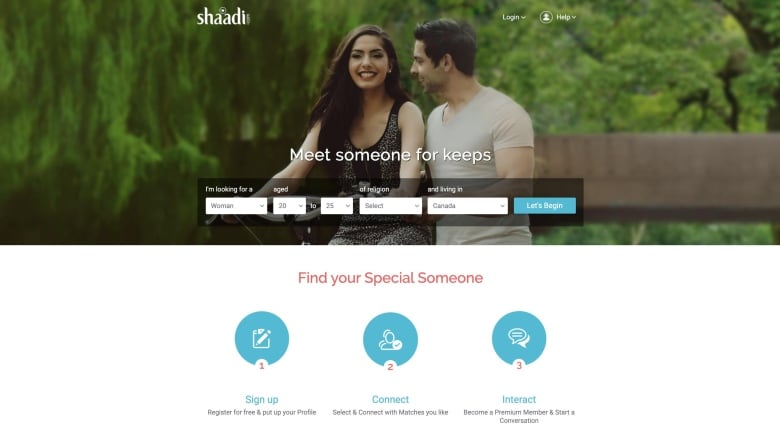
About a year ago, Nagpal joined Shaadi.com, a website that asks users to choose potential matches based on family background, status and body type. She said there was also a filter asking users for their preference of skin colour.

“I felt really uncomfortable,” said the University of Toronto graduate student, who is originally from Vancouver.

Nagpal soon deleted her account, but returned to the site last month after feeling some pressure from her mother to get married. She was again confronted with the skin-tone filter, which allowed users to select from “fair,” “wheatish” or “dark.”

This time, after all the worldwide anti-racism protests inspired by the Black Lives Matter movement, her discomfort turned to outrage.

The skin-tone filter, she said, sparked her realization that something needed to be done about what she called the South Asian community’s bias against skin colour.

“There’s a preference for fair skin in the culture when it comes to marriage and finding a life partner,” she said.

Discrimination within communities of colour

To Nagpal, the need to do something felt urgent because even though many prominent people in the South Asian community have come out in support of the Black Lives Matter movement, there are still some, including Bollywood actors, who continue to promote creams that promise to lighten skin tone.

She received a one-sentence response saying the filter was a popular feature with parents looking to arrange marriages for their children.

“Most parents do require this as an option so it is visible on the site,” read the response sent on June 10.

Nagpal then posted the response to a Facebook group with more than 2,000 South Asian women in North America.

They argued that it perpetuates a form of racial discrimination known as shadeism or colourism that’s prevalent in the South Asian community — with light skin being historically viewed as more desirable than dark.

Skin-tone filters removed

Overnight, the petition had amassed more than 1,400 signatures and Nagpal said the skin-tone filter was no longer on the site.

In an email, a spokesperson for Shaadi.com told CBC Toronto that they were not aware of the skin-tone filter and claimed it was a “non-functional aspect” of the site.

“There is no skin colour filter on Shaadi.com, on any of its platforms,” the spokesperson said.

A petition for shaadi.com to remove its skin-tone filter amassed more than 1,400 signatures overnight. Soon after, Nagpal said the skin-tone filter was no longer on the site. (Shaadi.com)

“[It] is a several year old product debris left-over in one of our advanced search pages on the website, which is non-functional and barely used and hence it did not come to our attention,” the email reads.

“We do not discriminate based on skin colour and our member base is as diverse and pluralistic as the world today is.”

Two other prominent South Asian matrimonial sites — Bharat Matrimony and Jeevansathi.com — were also pressured to remove skin-tone filters.

CBC News contacted both websites for comment on this story, but received no response.

‘Colourism is very easy to fester in communities’

Thurka Gunaratnam, a filmmaker and educator based in Toronto who has focused on shadeism in her work, says the filter did not come as a shock to her.

“When a group has been historically oppressed and they have not been given the freedom to understand what their own identity is, something like colourism is very easy to fester in communities,” said Gunaratnam.

Toronto-based writer and filmmaker Mirusha Yogarajah participated in a 2016 social media campaign called #unfairandlovely.

The campaign targeted the South Asian population in particular and was meant to tackle the issue of shadeism and the popularity of skin lightening creams — including one called “Fair and Lovely.”

“It’s so embedded in us from such a young age, it just makes me really sad,” Yogarajah told CBC News.

Prejudice should not be confused with preference, Gunaratnam said.

“In the wake of talking about colorism and racism, one thing that will help with unlearning is to really ask ourselves: Is it a preference or is it prejudice?

“And if it’s a preference, why is it that?”

Source: How a Canadian woman pushed a popular South Asian matchmaking site to drop its skin-tone filter

Dark skinned patients left out of COVID-19 studies, as minorities some of the hardest bit by the virus

Of note, another example of systemic bias and discrimination:

Clinical images of patients with hives, swollen lips, chickenpox-like rashes, and red or purple lesions on the feet known as “covid toes,” have been published in medical studies since the start of the pandemic, demonstrating how the virus can affect the skin.

These images can help doctors diagnose patients who are otherwise asymptomatic – if they have light skin.

But images of darker-skinned patients have largely not been included in medical studies showing how COVID-19 can present on the skin, even as the disease has disproportionately affected people of colour in Canada and the United States. Symptoms can appear very differently on dark skin tones, underscoring the need for inclusion in clinical studies.

“Black folks in Canada, specifically Toronto, are overrepresented in terms of the burden of COVID-19,” said Bolu Ogunyemi, a dermatologist and clinical assistant professor of medicine at Memorial University in Newfoundland.

“So it’s unfortunate that we’re actually underrepresented in records of the manifestation from skin for this disease.”

The COVID-19 studies reflect a pattern in which darker skinned patients are largely missing from medical literature, part of an issue of racism within the medical system.

A literature review in The British Journal of Dermatology found that out of 36 studies showing images of COVID-19 presentations on skin published between December, 2019, to May, 2020, there were zero images of dark skin tones.

Researchers evaluated each clinical image using the six-point Fitzpatrick scale, which categorizes skin tones from lightest to darkest, and found that 92 per cent of the 130 images were of skin in the first three categories, which range from the lightest coloured skin to a medium tone. There were zero images of skin in the two darkest Fitzpatrick categories.

While it is not yet clear how significant these skin lesions can be in diagnosing COVID-19, understanding what they look like could lead to earlier testing. Some provinces, such as Nova Scotia, have added symptoms of red or purple fingers or toes to a list of symptoms that indicate a person should get tested.

“We’re still trying to figure out what these manifestations actually mean,” said the main author of the study, Jenna Lester, who is an assistant professor of dermatology at the University of California, San Francisco.

“But if there is a rash that patients can identify themselves when they were perhaps asymptomatic and can use it as a way to know they need to get tested but we’re not showing it in dark skin – it is a huge disservice to patients.”

Including examples of what diseases can look like on dark skin is important because indicators such as redness may be difficult to spot on dark skin, said Lynn McKinley-Grant, associate professor of Dermatology at Howard University College of Medicine and president of the U.S.-based Skin of Color Society.

Redness on light skin can appear as a different shade on darker skin, she said, or not appear at all. Doctors may have to employ different diagnostic methods to determine the issue, such as using touch to see whether the skin is warm. Sometimes, darker skin can also react very differently.

“In the textbooks it’ll describe a rash as flat and not itchy, but in darker skin types, it’ll be raised and itchy, but still be in the same pattern,” Dr. McKinley-Grant said.

The Skin of Color Society has shared images on social media of darker skin showing symptoms that are similar in appearance to COVID-19 symptoms.

While most health care units in Canada do not yet collect race-based data on COVID-19 patients, statistics show that the most diverse geographic areas also have some of the highest rates COVID-19. In early June, after health care professionals across the country raised concerns about the lack of data on how COVID-19 has affected racialized populations, Ontario had granted some health units permission to begin collecting race-based data.

In the U.S., where race-based data are available, studies show that African-Americans are almost three times as likely to test positive for the virus than white people.

Some doctors in Canada have linked the lack of representation in COVID-19 studies to larger issues of representation in medical studies and textbooks, across all disciplines.

Edgar Akuffo-Addo, a first-year medical student at the University of Toronto, says he has experienced this first hand.

In a first-aid training course he recently completed, Mr. Akuffo-Addo said participants were instructed to check for signs of shock by pressing down on a patient’s fingernails and waiting to see how long it took to turn red again.

“I tried to do the test on myself, and I couldn’t see it on my own skin,” he said. In addition, he said all the patients featured in the video training materials were white.

Mr. Akuffo-Addo describes the lack of representation as “troubling and worrying” and has embarked on his own review of clinical images of skin conditions related to COVID-19, and has so far examined 1,000 images in studies from Spain, France, Italy, the U.S. and Canada. Mr. Akuffo-Addo said that he confirmed with the authors of those studies that all patients were white.

Dr. Ogunyemi said the study of dermatology has been historically white.

When the field was first developing in Britain, the U.S. and Canada, he said, there was a smaller proportion of people of colour, so the criteria for the diagnosis of skin issues was centred around people with lighter skin. But these criteria have not changed significantly since that time.

“The problem is our population in these countries is changing – but the definition of skin disease is not keeping up with the pace.”

Studies also show that a mistrust of the medical system is a major reason why people of colour may choose not to participate in medical studies, stemming from a history of mistreatment as well as discrimination within the medical system.

Dr. Ogunyemi said that because the information on treating dark skin may not be readily available, Canadian doctors may have to take additional steps to ensure they are comfortable and able to treat people with dark skin.

“I think like a lot of things, you have to take a conscious effort, you have to go out of your way.”

Covid 19 Canadian Immigration Effects: May 2020 Update

This deck examines monthly changes due to COVID-19 on permanent resident admissions, temporary resident work permit holders, and study permit holders, broken down by category and program, region and top countries and province (Provincial Nominee Program and study permits).


Black Lives Matter Gets Indians Talking About Skin Lightening And Colorism

Prompting a needed discussion:

Chandana Hiran loves reading, arts and crafts, and recycling. At 22, she’s enrolled in college, studying to be an accountant. She considers herself a feminist.

But something else is a big part of her identity too.

“I’m slightly dark,” Hiran tells NPR in a phone interview from her family’s Mumbai home, her bold voice suddenly going soft. “I’d be called one of the dark-skinned people in our country.”

In India, colorism is rampant. Darker-skinned Indians, especially women, face discrimination at work, at school — even in love. Some arranged marriage websites let families filter out prospective brides by skin tone.

So it may be no wonder that about half of all skin care products in India, according to the World Health Organization, are lighteners designed to “brighten” or “lift” — essentially to whiten — a user’s skin color. WHO estimates that such products amount to about a $500 million industry in India alone. Until recently, some of them even came with shade cards — like paint swatches — so that users could track the lightening of their skin.

Some products claim to “lighten” the skin using multivitamins such as vitamin B3, and many users have said they’re happy with the results. Other products may contain mercury or bleach, which WHO cautions can damage skin cells. Other skin-lightening treatments, including intravenous and pill formulas, have been linked to liver and kidney damage.

The most popular brand of skin lightener is Fair & Lovely, made by the consumer goods giant Unilever. Generations of Indians have grown up with grocery store shelves lined with Fair & Lovely creams and face washes. They’ve been sold in India since 1975 with a marketing campaign of TV commercials and billboards that equate pale, fair skin with beauty and success.

Those are stereotypes that many find deeply unfair. And as the Black Lives Matter movement spreads across the world, it has prompted a reckoning about skin color in India and a brazen revolt against one of its most popular cosmetics.

Feeling insecure

Being slightly browner than the average Indian, by her own assessment, has left Hiran feeling insecure all her life.

“Even the smallest of things, like not wanting to wear brighter colors or just random people coming to you and saying, ‘Oh, maybe you should apply something on your face,’ ” Hiran recalls. “There is not a single Bollywood actress who could represent my skin tone.”

Instead, Bollywood actresses star in TV commercials for skin-lightening creams.

The Indian beauty queen-turned-actress Priyanka Chopra — who starred in the U.S. TV hit Quantico — is one of the most famous. In 2008, she appeared in a series of promotional videos for a product called White Beauty. She played a forlorn-looking single woman who, in the first episode, watched a slightly lighter-skinned woman strut past with a handsome man on her arm. In later episodes, after she used the skin-lightening cream, the man fell in love with her instead.

Another ad for Fair & Lovely suggests using it before going to a job interview.

Praise for white skin is a theme in popular music too. In a 2015 hit song called “Chittiyaan Kalaiyaan” — which means “pale wrists” in the Hindi language — the male singer croons about how a woman’s pale skin makes him swoon.

“Oh my darling, angel baby, white kalaiyaan drives me crazy!” the refrain goes.

When Hiran was a teenager, listening to such songs, she started using Fair & Lovely. She didn’t even have to buy it; her mother always had some in the family medicine cabinet.

The impact of Black Lives Matter

So that was the backdrop in India this spring, when George Floyd was killed in the U.S. and calls for racial justice echoed around the world.

“Can Indians support Black Lives Matter when we ourselves have so many prejudices?” asks activist Kavitha Emmanuel, founder of a women’s charity in southern India called Women of Worth.

In 2009, Emmanuel started a campaign called Dark Is Beautiful to combat colorism in India. Over the years, while counseling girls, she says she realized how deeply hurt Indian women have been by media messages about skin color.

“In our counseling sessions, this would keep surfacing. [They would keep] saying, ‘I am dark,’ ” she told NPR by phone from her home in Chennai. “It is not just about self-esteem in terms of their looks, but it also affects their overall performance in life.”

A study confirms that the scenes in TV commercials for skin-lightening creams may sadly be accurate. A 2015 report by professors at Southern Illinois University and the Rochester Institute of Technology found that in India:

“A woman’s dark skin can preclude her from entering positions such as news anchor, sales associate, flight attendant and even receptionist because these jobs require exposure to and interaction with the public, who will judge her as unattractive, unworthy and incompetent. Fair-skinned women, conversely, are seen in most of these roles; their skin tone grants them unearned privilege and power within organizations as a result.”

Emmanuel says many Indians now expressing support for Black Lives Matter in the U.S. are blind to such discrimination against racial and religious minorities at home. Many of the same celebrities tweeting about racial justice in the U.S. have actually starred in ads for skin-lightening creams.

Bollywood backlash

Among the first Indian celebrities to express public sympathy after Floyd’s killing in the U.S. was the film star Chopra, who posted a lengthy message on Instagram in May with some of Floyd’s last words: “please, i can’t breathe.”

“There is so much work to be done and it needs to starts at an individual level on a global scale,” she wrote. “We all have a responsibility to educate ourselves and end this hate.”

Her comments drew a backlash online. When Chopra’s husband, American singer/songwriter Nick Jonas, tweeted that he and his wife “Pri” have “heavy hearts” over “systemic racism, bigotry and exclusion,” one user replied: “Was pri’s ‘heart heavy’ before or after she promoted skin lightening creams?”

Chopra has not replied to the tweets. But in a 2017 interview with Vogue India, she said she regretted appearing in ads for skin-lightening products. “I used it [when I was very young]. Then when I was an actor, around my early twenties, I did a commercial for a skin-lightening cream. I was playing that girl with insecurities. And when I saw it, I was like, ‘Oh s**t. What did I do?’ ” Chopra was quoted as saying.

She told Vogue that she now sympathizes with girls who feel insecure about their skin tone and has turned down offers to star in any more such ads.

Human rights activists in India have also accused Chopra and other Indian celebrities of hypocrisy for expressing sympathy for Floyd and outrage over his killing but not condemning similar violence against minorities, particularly Muslims, in India. In recent years, under Prime Minister Narendra Modi’s Hindu nationalist government, attacks on India’s minority Muslims have skyrocketed. Dozens have been lynched in the streets with little public outcry.

Colonialism and caste

Emmanuel and others trace India’s color discrimination back to the colonial period when mostly white Britons ruled over darker-skinned Indians. But its roots may go back even further than that — to Hinduism’s ancient caste system, roughly based on a hierarchy of professions people are born into.

Historians of ancient India say discrimination based explicitly on skin color has never been part of the Hindu caste system. But it may have evolved over time. For centuries, members of the less privileged, lower castes traditionally did manual labor outdoors under the sun.

“The British colonizers were able to build on India’s existing caste system. So the upper-caste people who were powerful had fairer skin. And the lower-caste people, when they would work outside, those castes started having darker skin [from prolonged sun exposure],” explains Neha Dixit, an Indian journalist who has studied the history of colorism and written about her own experience as a slightly darker-skinned woman. (The euphemism her relatives used for her skin color is “wheatish” — the color of wheat.)

“We have actually internalized all those prejudices,” she says. “So anybody with fairer skin is supposed to be better off than a dark-skinned person.”

Those stereotypes have been reinforced in India for millennia. But modern ideas of racial equality — and the Black Lives Matter movement — are slowly making a dent. A landmark case against caste discrimination is currently under litigation in California, where Indian American tech workers are accused of discriminating against a colleague because he’s a member of a lower caste.

New name, same cream

A few years ago, when she was in her late teens, Hiran, the accounting student, stopped using Fair & Lovely cream. Unilever says its products do not contain potentially harmful bleach or mercury. But Hiran’s decision had more to do with a maturing sense of self rather than any health concerns, she says.

“I started to realize, OK, maybe the problem is not with me. Maybe I’m not supposed to look any other way,” she says. “And I’m not supposed to feel insecure about my own skin.”

This year, Hiran started an online petition to get the name of the product changed. It’s one of several such petitions that have flooded the Internet in the wake of the Black Lives Matter movement.

A Texas woman of South Asian descent, Hetal Lakhani, also started an online petition against Shaadi.com, one of the most popular matrimonial websites, demanding that it remove a function that allows users to search for potential partners on the basis of their skin color. Last month, the website obliged, issuing a statement saying that it “does not discriminate” and that the skin color filter was a “product debris left-over in one of our advanced search pages.”

Then, in late June, Fair & Lovely’s manufacturer, Unilever, made an announcement: It’s removing any references to “fair/fairness,” “white/whitening” and “light/lightening” from all of its packaging.

“We are fully committed to having a global portfolio of skin care brands that is inclusive and cares for all skin tones, celebrating greater diversity of beauty,” Sunny Jain, president of the company’s beauty and personal care division, was quoted as saying. “We recognize that the use of the words ‘fair,’ ‘white’ and ‘light’ suggest a singular ideal of beauty that we don’t think is right.”

But even though the packaging now says only that the product moisturizes and gives a pink glow, these terms are understood to be euphemisms for lightening your skin.

This month, Unilever’s Indian branch announced a new name: Glow & Lovely. Its men’s product line will also be rebranded, as Glow & Handsome. The company says the name changes will happen in the coming months.

The cosmetics brand L’Oréal says it’s making a similar change.

But some activists say that’s not enough — that it’s not the names that needed to be scrapped but the products themselves. Another big company, Johnson & Johnson, says it’s discontinuing two of its skin-lightening products altogether.

Souvenir tube

Hiran calls the Fair & Lovely name change “a step in the right direction.”

“It’s not a small thing that Fair & Lovely has done. Because this brand has thrived all these years on the insecurities of women. This is really changing the narrative,” she says. “But it’s only the first step toward being more inclusive and diverse. No matter what you call it, it’s still going to be offensive.”

Even though she hadn’t used the product in years, Hiran says she recently found an old tube of Fair & Lovely in her medicine cabinet. She says she’ll probably hold on to it.

“Now it’s going to become a souvenir,” she laughs.

So the Fair & Lovely label will soon be history. But the question remains as to how long these skin-lightening products — whatever they’re called — will remain in India, along with the attitudes behind them.

Source: Black Lives Matter Gets Indians Talking About Skin Lightening And Colorism